Contents
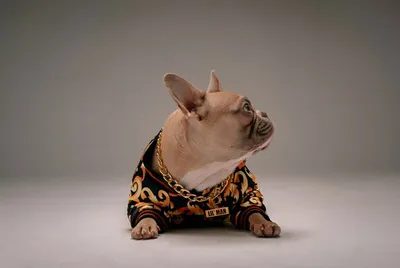
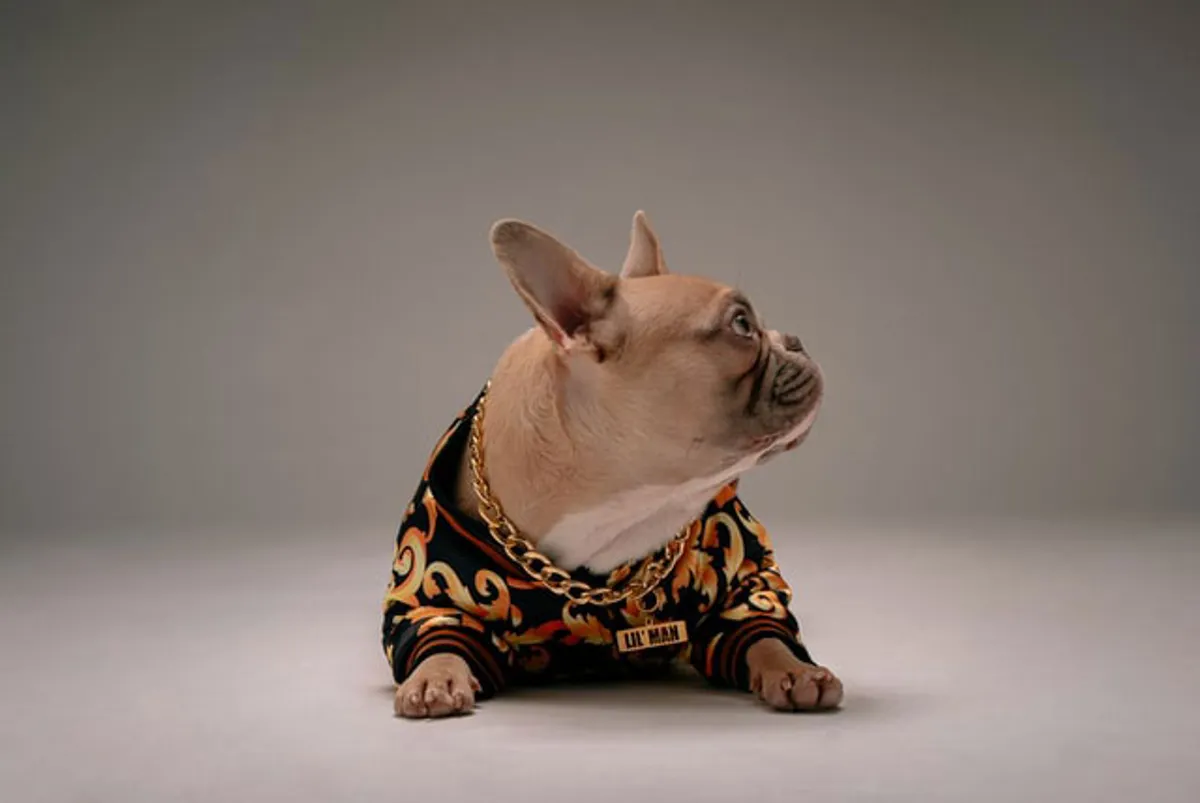
Fawn is the most widely recognised and commonly seen French Bulldog colour. Within the broad fawn category, however, there is considerable variation, from pale honeyed tones to vivid red-orange, that stems from different genetic influences. Understanding the genetics and the range of what counts as fawn helps buyers and breeders make sense of what they are looking at and what the KC breed standard encompasses.
The range of fawn shades
Fawn in French Bulldogs describes a spectrum of warm-pigmented coats, all of which involve yellow to red phaeomelanin as the primary pigment expression. Within this spectrum:
Honey or light fawn: Pale, warm-golden coat. Common and frequently seen in KC-registered lines.
Golden or mid fawn: The classic textbook fawn, a warm golden-brown tone that most people picture when they think of a fawn Frenchie.
Red fawn: A more vivid, orange-red coat. Less common than mid-fawn; the same genetic mechanisms apply but with greater phaeomelanin intensity.
Sable: Dark-tipped hairs over a fawn base, giving a shaded appearance. The sable French Bulldog guide covers this specific expression in detail.
All of these fall within the KC’s accepted fawn category. There is no hierarchy between them from a breed standard perspective.
The genetics of fawn
Fawn expression in French Bulldogs is primarily driven by the Agouti (A) locus. The Ay (fawn/sable) allele allows phaeomelanin expression across the coat rather than restricting it to specific areas. For fawn to be visible, the Extension (E) locus must also permit pigment expression (EE or Ee rather than ee/ee, which would produce cream regardless of A-locus genotype).
The intensity of the fawn, how pale or vivid it is, is further influenced by:
Intensity genes: A group of modifier loci that affect how much phaeomelanin is deposited in each hair. Dogs with higher phaeomelanin intensity express deeper red-fawn; dogs with lower intensity express paler honey-fawn.
The D locus (dilution): A dilute fawn dog (d/d) has a paler, more washed-out coat than a non-dilute fawn. Dilute fawn is associated with Colour Dilution Alopecia (CDA) risk and is not KC-recognised; this is distinct from the natural pale end of the standard fawn range.
The E locus (mask): The Em allele restricts black pigment to the face, producing the black mask on an otherwise fawn body. This is common in French Bulldogs and fully KC-recognised.
Black-masked fawn
The black mask is produced by the Em allele at the E locus, which causes a concentration of black pigment on the face. In French Bulldogs, masked fawn is one of the most common expressions and many KC-registered fawn Frenchies are masked. The mask can range from a subtle dark muzzle to a more extensive dark face, depending on the specific Em combination with other E-locus alleles.
Masked fawn is not a separate colour category, it is fawn with a facial mask. For KC registration purposes, a masked fawn Frenchie is registered as fawn.
KC recognition and breed standard
Fawn in all its standard expressions (including sable) is a fully KC-recognised French Bulldog colour. Fawn French Bulldogs from health-tested parents can be KC-registered and shown at KC events.
What is not fawn in the KC sense:
- Dilute fawn (blue fawn): A fawn dog with the d/d dilution gene has a noticeably different coat, paler, sometimes with a blue cast, and is not KC-recognised
- Chocolate fawn (fawn with chocolate mask or warm brown tones due to b/b): Not KC-recognised
- Fawn merle: Not KC-recognised
If a breeder is selling a dog as “fawn” that has a pale, washed-out coat with a grey or blue-tinged nose rather than a black nose, it may be a dilute fawn rather than a standard fawn. DNA testing clarifies this.
Fawn French Bulldog buying considerations
A fawn French Bulldog from a responsible, KC-registered breeder is among the most straightforward choices in the breed from a health and breeding integrity perspective. The same health tests apply: BOAS assessment for both parents, spinal screening, hereditary cataract DNA test and cardiac assessment.
Fawn puppies from health-tested KC-registered litters typically fall within the standard market price for the breed. If a fawn puppy is priced significantly above this, the justification should be based on health credentials and lineage, not the specific shade of fawn.
For comparison with the cream expression that overlaps with pale fawn at lighter intensities, the cream French Bulldog guide covers the genetics and the standard versus dilution-pathway distinction. For the full range of French Bulldog coat colours and the health and KC standing of each, the breed standard guide covers the criteria used in registration and showing.
Frequently asked questions
-
Fawn in French Bulldogs covers a wide range of warm-toned coats from very pale honey to deep red-fawn. The KC breed standard accepts fawn, which in practice includes shades described as honey, light fawn, red fawn, golden fawn and similar warm hues. Sable (with dark-tipped hairs over a fawn base) is also considered within the fawn category for KC registration purposes. All of these are accepted colours in KC-registered French Bulldogs.
-
Cream and fawn are distinct genetic expressions that can be visually similar at lighter intensities. Fawn is produced by the Ay allele at the A locus, which allows phaeomelanin (yellow-red pigment) to be expressed relatively fully. The intensity of the fawn colour is then modified by other genes. Cream is typically produced by additional dilution or modification of this phaeomelanin, resulting in a lighter, cooler tone. In practice, a pale fawn and a deeper cream may look similar; the nose and eye colour, and DNA testing, help distinguish them. Both fawn and cream are KC-standard colours.
-
Red or deep orange-fawn French Bulldogs are at the more vivid end of the fawn spectrum and are noticeably less common than standard golden or honey fawn. The intensity of the red colouration is influenced by modifier genes that affect phaeomelanin expression. Red fawn is not listed separately by the KC and falls within the fawn category; it is not a premium colour and should not command a significantly higher price than standard fawn based on shade alone.
-
A black-masked fawn has a clearly defined dark muzzle, the mask, over an otherwise fawn body. The mask is produced by the Em allele at the E (extension) locus, which restricts black pigment expression to the face. Masked fawn is a very common expression in French Bulldogs and is fully KC-recognised. The mask can range from a subtle dark muzzle to a more defined dark face extending above the eyes. Many standard KC-registered fawn Frenchies are masked fawns.
-
It depends on the genotype. A fawn French Bulldog that carries hidden recessive genes, the b allele for chocolate, the d allele for blue dilution, or the L4 allele for long coat, can produce non-standard colour puppies when mated with a partner that also carries those genes. This is not predictable from the colour of the dog alone. DNA colour panel testing reveals whether a fawn dog is a carrier of recessive colour genes, which matters if you want to avoid non-standard colour outcomes in a litter.