Contents
Cream French Bulldogs occupy an interesting position in the colour market. Some cream-coloured Frenchies are simply at the pale end of the standard fawn spectrum and are fully KC-accepted; others are produced through the dilution or double-dilution genetics that produce the non-standard colour variants and carry corresponding health considerations. Knowing the difference is essential for a buyer approaching the cream Frenchie market.
What cream looks like
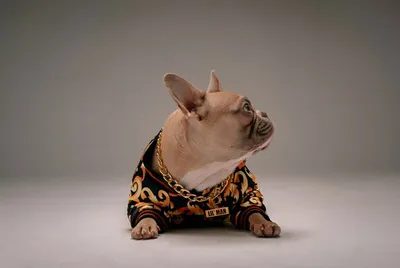
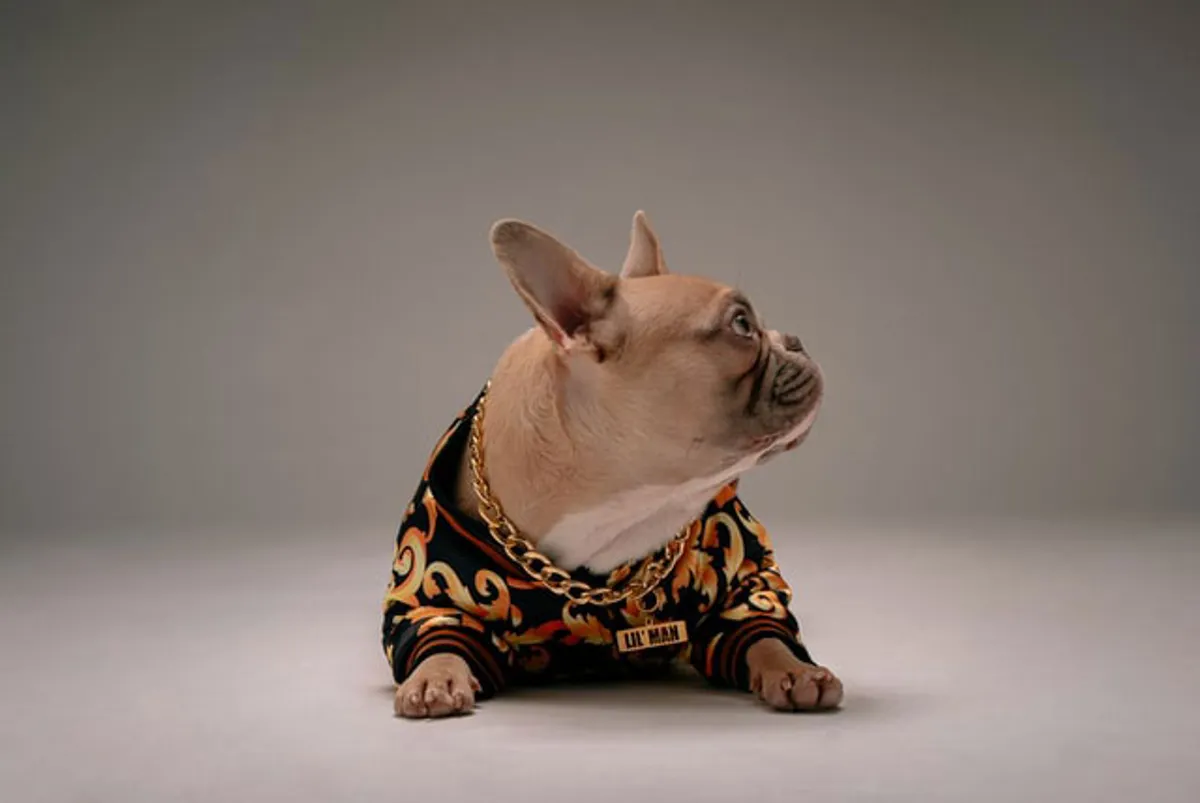
A cream French Bulldog has a pale, warm off-white coat that ranges from ivory to a very light yellow-white. The coat is smooth and short like all Frenchie coats. The defining characteristic is the near-absence of the reddish-yellow pigment that gives fawn dogs their definite warm tone, a cream dog is the palest phenotypic expression of the fawn-red pigment range.
Cream and fawn shade into each other. A light fawn dog and a cream dog may look very similar, and the terms are sometimes applied interchangeably. The critical distinction from a genetics and health standpoint is the mechanism producing the pale colour, not the exact shade.
The genetics
Standard-pathway cream. The E locus controls whether any colour pigment is expressed in the coat at all. Dogs with the ee genotype (two recessive e alleles) cannot produce black or brown pigment in the coat; only phaeomelanin (red/fawn/cream) is expressed. Combined with genes at the Intensity locus that reduce the intensity of the phaeomelanin, an ee dog can range from a warm red through to very pale cream.
A cream Frenchie produced via this pathway is genetically fawn-cream and does not carry dilution gene health risks. The nose leather and eye colour remain dark (black nose, dark brown eyes) because the e/e masking of black pigment affects coat only, not the nose and eyes in all genetic backgrounds.
Dilution-pathway pale dogs. The dilution gene (d/d) reduces black and brown pigment significantly and can, when combined with a fawn base and other modifiers, produce a dog that appears pale cream or white. These dogs are genetically dilute and carry CDA risk.
A very pale cream dog with a grey or flesh-coloured nose and light-coloured eyes is much more likely to be d/d-pathway than a dog with standard black nose and dark eyes. This is not a reliable diagnosis by eye alone, DNA testing is the only way to confirm which pathway produced the colour.
Health implications
Standard-pathway cream (fawn with extreme intensity dilution): No additional colour-specific health risks beyond the French Bulldog breed baseline. These dogs carry the same BOAS, IVDD and skin fold risks as all French Bulldogs, but not colour dilution alopecia.
Dilution-pathway cream: Carries CDA risk equivalent to a blue or lilac Frenchie. The paler the coat from a dilution mechanism, the more significant the follicular dysplasia risk.
Practical consequence: Before buying a cream French Bulldog, ask the breeder for the parents’ DNA colour panel results. If the breeder cannot or will not provide these, treat the dog’s health risk profile as unclear.
KC status of cream
The Kennel Club breed standard for the French Bulldog lists fawn as an accepted colour. Pale fawn, including dogs that might colloquially be called cream, has historically been shown and accepted. The position becomes less clear for dogs produced through specifically non-standard genetic pathways.
From a practical standpoint, a cream Frenchie from a KC Assured Breeder with documented fawn parentage is a different proposition from a cream Frenchie produced by a non-standard colour breeder using dilution genetics. The Assured Breeder route provides more certainty about the genetic background and health testing compliance.
What to ask when buying a cream Frenchie
In addition to the standard health checks (BOAS grading, hereditary cataract DNA, L-2-HGA, DM):
- Ask for the parents’ DNA colour panel results to confirm the genetic pathway
- If the breeder cannot provide DNA evidence, assess the nose and eye colour as a proxy indicator
- Apply the same scrutiny to environment, socialisation and selling conditions as for any French Bulldog
The full buying guide with all health tests and red flags is at buying a French Bulldog. For how cream fits within the full spectrum of French Bulldog colours, the colours guide covers the complete picture. For the fawn colouring that sits adjacent to pale cream on the warm-pale spectrum, and what distinguishes the two genetically and visually, the fawn French Bulldog guide covers the full range of fawn expressions.
Frequently asked questions
-
Cream in French Bulldogs is produced by the extreme dilution of the red/fawn pigment to an almost white or pale ivory colour. Genetically, cream results from the ee genotype at the E locus combined with the extreme white at the Intensity locus, producing a dog where the red pigment is diluted to near-white. The result is a pale, warm off-white coat. Cream is distinct from fawn, which has a more definite warm yellow or reddish tone; cream dogs are the palest expression of the fawn/red range.
-
This depends on the specific genetic form of cream. Fawn in its pale forms is KC-recognised. However, the particular genetic mechanism that produces the very pale cream (ee recessive red combined with intensity dilution) is associated with producing a dog that carries two copies of the recessive e allele, which masks all other colour genes. The KC standard lists fawn as accepted, and pale fawn dogs are shown successfully. The very pale 'Isabella-like' cream resulting from specific dilution combinations may fall outside standard.
-
Standard cream French Bulldogs produced through fawn base colour without dilution genes do not carry the colour-specific health risks seen in blue or lilac dogs. There is no colour dilution alopecia risk from a cream produced through simple red/fawn intensity reduction. A cream Frenchie produced through the dilution gene (giving a cream or white appearance via dilution) would carry dilution-related risks. The breeding origin and the genetic mechanism matter for health risk assessment.
-
DNA colour panel testing of the parents identifies which genetic mechanism produced the pale coat. A responsibly bred cream from a KC Assured Breeder will have clear genetic records; a cream from a non-standard colour breeder should have DNA panel results available. Visually, a cream produced through dilution may have lighter nose leather and eye colour (not solid black nose, not dark brown eyes), while a cream produced through fawn intensity reduction typically retains black nose leather and dark eyes.
-
True cream is a warm, ivory-tinged pale colour with a yellow-white quality. Piebald or extreme white areas are a different genetic mechanism (the S locus piebald gene) producing white patches or predominantly white coats. A dog may appear cream or very pale without having white genetics. Pied Frenchies (brindle or fawn with white areas from piebald) are different from pale cream dogs. The terms are sometimes confused in advertising.