Contents
French Bulldogs feel the cold more than most breeds, and a UK winter, even a mild one, requires some practical adjustments to keep a Frenchie comfortable on walks and healthy at home. Understanding why the breed is cold-sensitive and what the practical limits are makes winter management straightforward.
Why Frenchies struggle in cold weather
Several features of the French Bulldog’s anatomy and coat combine to make cold tolerance lower than average.
Short, single-layer coat. A Frenchie’s coat has minimal insulating capacity. Dogs with thick double coats trap warm air against the skin; a Frenchie’s coat does not. Heat escapes directly to the environment.
Low ground clearance. The Frenchie’s low, compact build brings the belly into contact with cold, wet ground surfaces on every walk. Wet pavements, frost, and puddles chill the underside rapidly.
Brachycephalic airway. Cold air entering through a narrow, compressed upper airway reaches the lungs less conditioned than in a longer-muzzled dog. In very cold temperatures, this can increase the physical work of breathing.
Body mass and surface area ratio. Smaller dogs lose heat proportionally faster than larger ones due to a higher surface-area-to-volume ratio. A Frenchie is also a relatively stocky, compact dog, not a thin, small dog, but still loses heat faster than a Labrador would in the same conditions.
Temperature guide
Above 10°C: Normal outdoor activity is fine. Most healthy adult Frenchies are comfortable without additional protection in mild conditions.
7 to 10°C: Watch for the individual dog’s response. Some are fine; older dogs or those with health conditions may appreciate a coat.
4 to 7°C: A coat is helpful. Keep walk duration moderate.
Below 4°C: Keep walks short and purposeful. Coat is recommended for most dogs. Consider paw protection if salt or grit is on the ground.
Below 0°C / frost or ice: Brief walks only. Coat and paw protection appropriate. Watch carefully for signs of cold stress. Wash paws on return home.
What to look for in a Frenchie coat
A coat that works for this breed should:
- Cover the back and belly (not just the back)
- Have a generous neck opening that does not press on the throat
- Allow full range of leg movement
- Fasten securely without restricting the chest
- Be washable
Harness compatibility is worth checking, most Frenchies should be in a harness rather than a collar for walks, and a coat that cannot accommodate a harness attachment is impractical.
Waterproof outer layers are worth having for wet UK days. Fleece layers underneath add warmth in genuinely cold conditions.
Paw care in winter
Salt and grit applied to roads and pavements causes paw irritation and, if licked, potential toxicity. After winter walks:
- Rinse paws with warm water or use a paw cleaning cup
- Dry between the toes and in the webbing
- Check for cracks or redness in paw pads, which are exacerbated by cold and salt
Paw wax or balm applied before a salted walk provides a protective barrier. For dogs that are particularly sensitive, paw boots are an option, though getting a Frenchie to accept boots requires patient introduction.
Indoor warmth
French Bulldogs appreciate warmth at home and many actively seek out heated spots. This is normal and fine, with a few caveats:
Keep them away from direct heat sources. A Frenchie pressed against a radiator or in front of an open fire can overheat locally without thermoregulating appropriately. Ensure they can move away from the heat source.
Draught management. Cold draughts at floor level affect a low-slung dog more than they would affect the humans in the same room. Check sleeping spots are not in direct draughts.
Bedding. A bed with raised sides or a self-warming insert gives the dog control over their own warmth level. Blankets that the dog can pull around themselves are popular with most Frenchies.
Puppies and elderly dogs in cold weather
Puppies under six months have reduced cold tolerance and limited capacity to regulate body temperature. Keep puppy outdoor time brief in cold conditions and warm the puppy immediately on return. Elderly Frenchies with arthritis or other joint conditions find cold harder; cold weather can worsen joint stiffness significantly. Keep older dogs warmer than you would a healthy adult.
The exercise requirements and walk duration guidance for the breed in all seasons is in the exercise guide. For the summer equivalent, managing heat risk, the hot weather guide covers what the breed needs in warm conditions. The health conditions that cold can aggravate, including respiratory issues and joint problems, are in the health problems guide.
Frequently asked questions
-
Yes. French Bulldogs are more susceptible to cold than many breeds for several reasons: they have a single-layer short coat with minimal insulating capacity; they are low to the ground, which exposes their belly to cold wet surfaces; their brachycephalic anatomy means cold air reaches the lungs with less warming than in longer-snouted breeds; and they carry less body mass than larger dogs. Most healthy adult Frenchies in good condition find temperatures below around 7°C uncomfortable for prolonged outdoor time, and puppies, elderly dogs or those with health conditions reach their comfortable limit sooner.
-
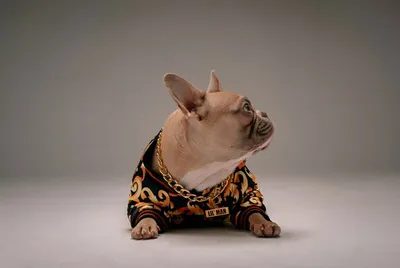
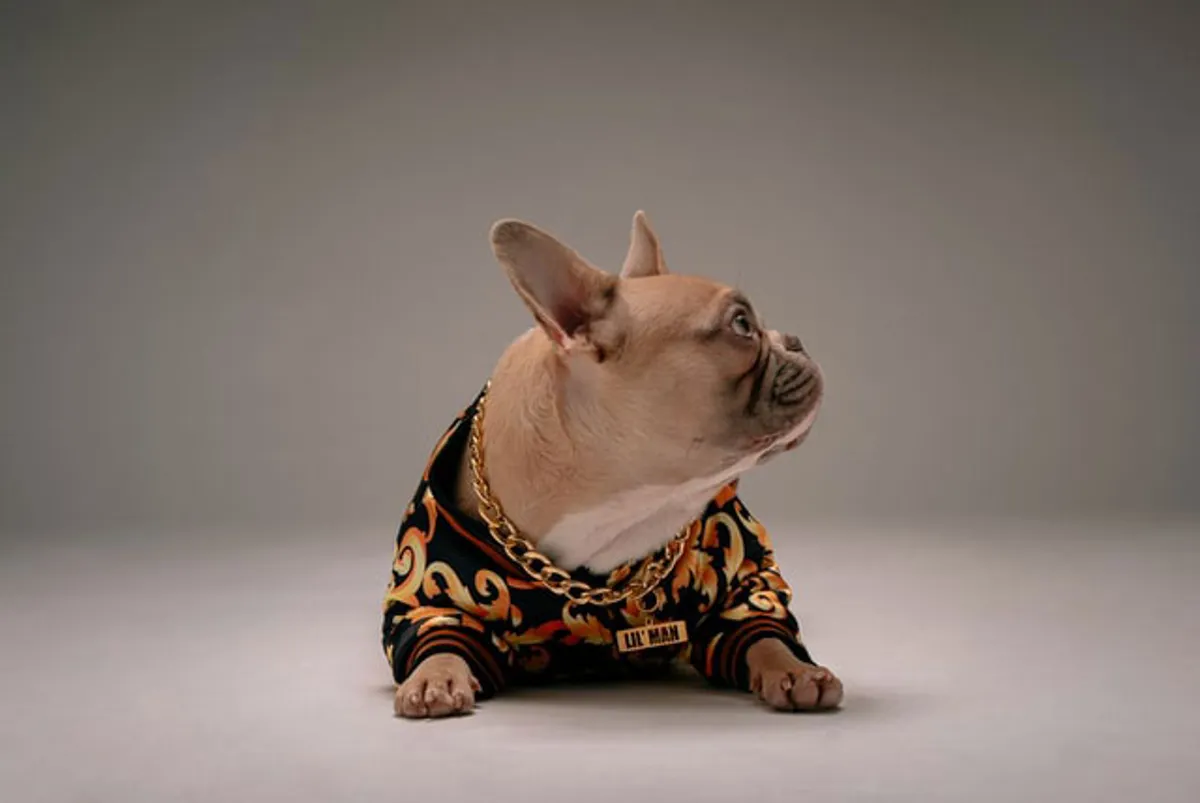
Many Frenchies benefit from a coat in cold or wet weather, particularly below 7°C or in wind and rain. A well-fitting coat provides real warmth and is not a fashion accessory for this breed. The coat should cover the back and belly without restricting movement, fit around the neck without pressure on the throat, and allow full leg movement. Waterproof outer layers are useful for wet conditions. The most important fit consideration for Frenchies is that the neck opening does not sit tight, any pressure on the throat area is uncomfortable for a brachycephalic dog.
-
There is no absolute cutoff, as fitness level, health and coat condition all affect tolerance. A general guide: below about 4°C, keep walks short (10 to 15 minutes) and watch for signs of discomfort. Below 0°C, walks should be brief, a coat is almost certainly needed, and pavements may need paw protection if grit or salt has been laid. Snow and ice create particular risks: salt and grit cause paw irritation and potential chemical burns if licked; ice increases the risk of a slip injury. Wash paws after winter walks.
-
No. French Bulldogs should not sleep outdoors in cold weather. They are indoor companion dogs without the physical capacity to regulate body temperature in cold conditions. A Frenchie left outside overnight in winter UK temperatures is at serious risk of hypothermia. Even in a shelter or kennel, the breed's limited insulation and cold sensitivity makes outdoor sleeping inappropriate in UK winters.
-
Signs that a Frenchie is too cold: shivering or shaking; slowing down, reluctance to walk, or stopping and refusing to move; hunching the back; lifting paws off the ground; whining; seeking to turn back toward home. If any of these appear on a walk, return home promptly. A Frenchie that has been significantly chilled will warm up quickly in a warm indoor environment but should be checked for signs of hypothermia (extreme lethargy, confusion, very slow breathing) if exposure was prolonged.